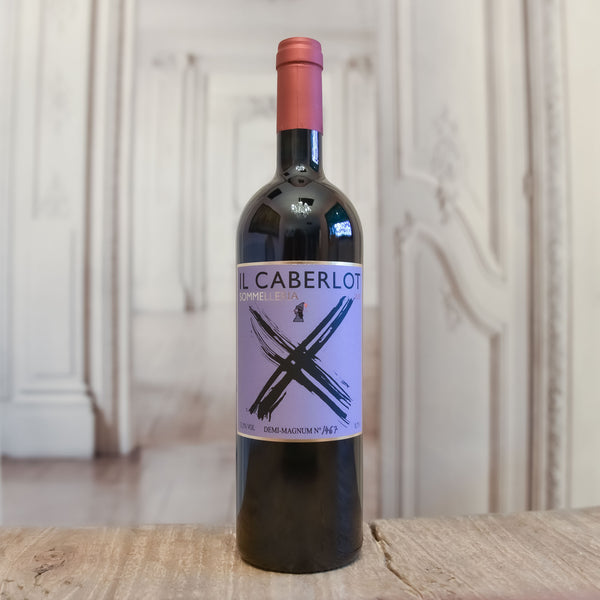

One grape, rescued from oblivion
In the late 1960s, agronomist Remigio Bordini found a lone vine near Padua that behaved like neither of its parents and both at once: the lift of Cabernet Franc, the flesh of Merlot. Not a lab cross, a natural accident. Wolf Rogosky brought it to Carnasciale and planted it in 1986. It has never been grown commercially anywhere else since.
A cooler Tuscany
The vineyards sit high in Valdarno di Sopra, between Florence and Arezzo, at 200 to 400 metres. Cool nights, iron-rich clay and limestone, 10,000 vines per hectare fighting for water. The result is tension and length, not weight for its own sake.
The wines
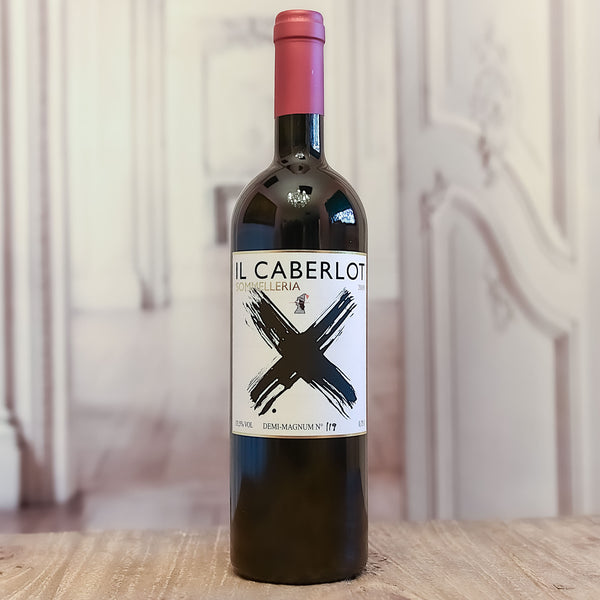
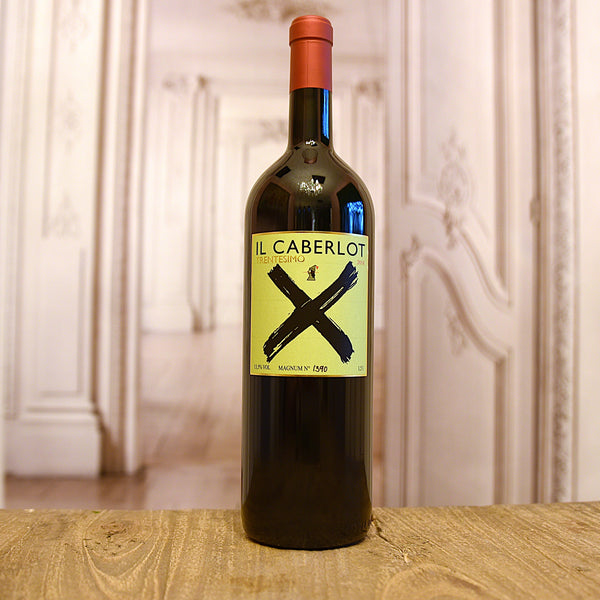
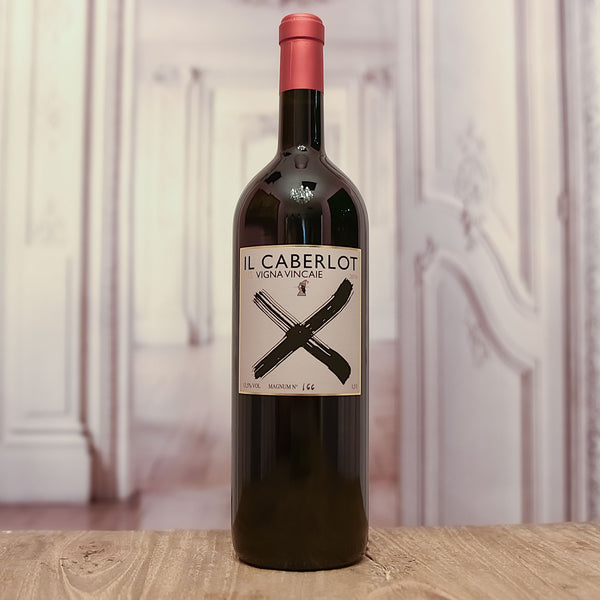
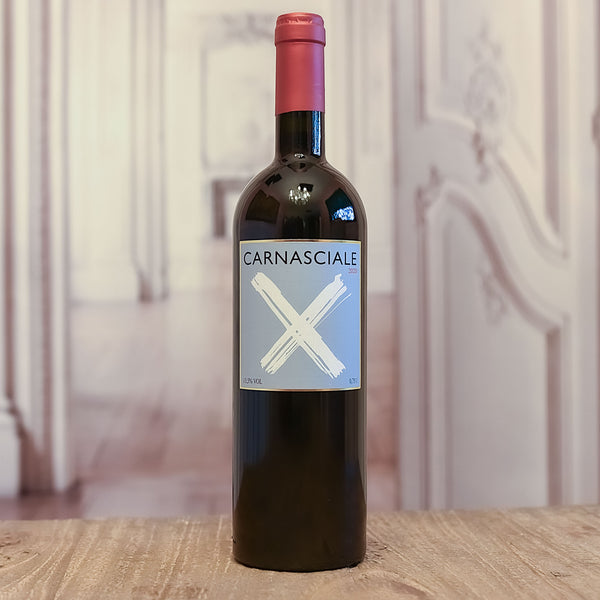
Il Caberlot. The flagship. Opaque, intense, built to last: blackcurrant, graphite, iron and wild herb in youth, turning to leather, tobacco and truffle over twenty to thirty years. Carnasciale. The same grape, chosen for earlier pleasure. Both are made in tiny numbers, both vanish quickly.
Why collectors chase it
Genuine scarcity, set by the land rather than the label. A grape that exists nowhere else at scale. A proven thirty-year aging curve. And a quiet, insider reputation built through sommeliers and collectors, never hype. Bottled as Toscana IGT by choice, a declaration of independence, not a compromise.
To own Il Caberlot is to hold a chapter of Italian wine that nearly never happened: one grape, one place, entrusted to time.